For landowners with environmentally significant or restorable property, mitigation banking can present an opportunity to create ecological value while generating a potential economic return from the land. But owning wetlands, streams, or acreage with restoration potential does not automatically make a property suitable for mitigation banking.
Developing a mitigation bank is a long-term undertaking that combines real estate, ecological restoration, environmental regulation, and environmental markets. Before committing significant time or resources, landowners should understand whether their property has the ecological, regulatory, and market characteristics necessary to support a successful project.
At EcoVantage, we believe that early evaluation can help landowners distinguish between an interesting property and a viable mitigation opportunity.
Start With the Property but Look Beyond Acreage
One of the first questions landowners often ask is whether they have enough acreage for a mitigation bank. Size matters, but acreage alone does not determine whether a property is a good candidate.
The more important question is what can realistically be accomplished on the site.
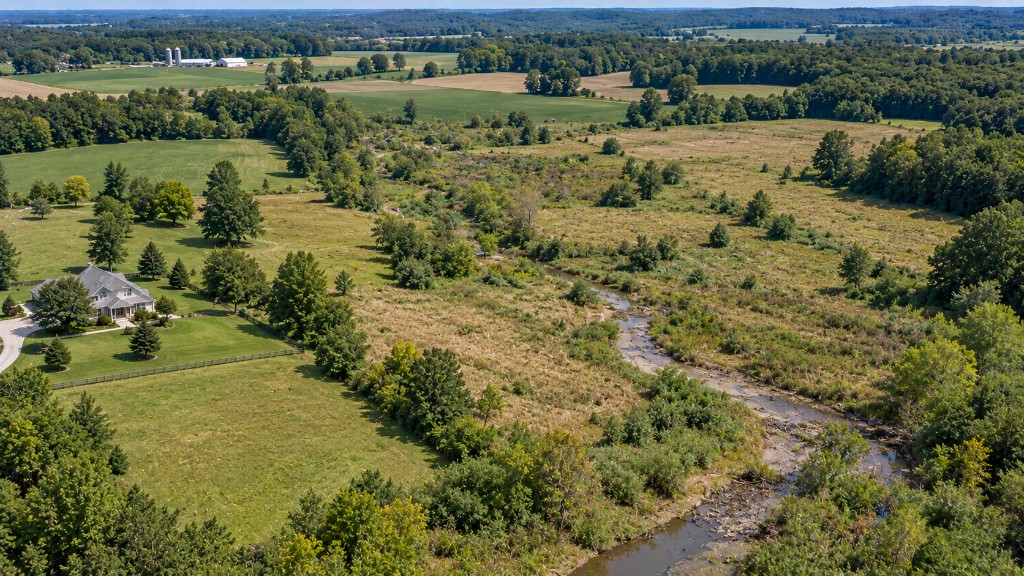
Existing wetlands and streams, historic land use, hydrology, drainage modifications, surrounding development, landscape position, habitat connectivity, soils, vegetation, and other site characteristics can all influence restoration potential.
A property that has been altered by agriculture, drainage, channelization, or other historic activities may present opportunities to restore natural functions. In other situations, a property may already be functioning at a relatively high ecological level, leaving less opportunity to generate the measurable improvement generally needed to support mitigation credits.
The objective of an initial site assessment is therefore not simply to identify environmental resources, but to understand the property’s potential for meaningful and sustainable ecological improvement.
Location Can Be Just as Important as the Property
Even a property with excellent restoration potential may not support a viable mitigation bank if it is poorly positioned within the mitigation market.
Mitigation credits are generally sold within an approved geographic service area. That means the location of a property can significantly influence the potential customer base for its credits.
Landowners should understand the likely service area associated with their property and the mitigation demand occurring within that geography. Existing mitigation banks, available credit inventory, proposed banks, historic credit purchases, infrastructure investment, development activity, and other sources of future demand can all influence the opportunity.
This is why evaluating the property and the market together is so important. A strong restoration site in a weak market may represent a very different opportunity than a comparable property located where mitigation demand is consistent and available credit supply is limited.
Understand What Permanent Site Protection Means
Mitigation banking typically involves a long-term commitment to conservation.
Land used for a mitigation bank is generally subject to a permanent site-protection mechanism designed to preserve the restored resources and prevent incompatible future uses. Depending on the project and regulatory requirements, this may involve a conservation easement or another legally enforceable mechanism.
For landowners, this is a significant consideration.
The decision is not simply whether mitigation banking could generate revenue. It is also whether permanently dedicating all or a portion of the property to conservation aligns with the owner’s long-term objectives for the land.
Potential future development, mineral rights, access, utilities, existing easements, recreational uses, neighboring land uses, and succession or estate considerations may all warrant evaluation before proceeding.
Mitigation Banks Require Upfront Investment
A mitigation bank is not simply a mechanism for selling credits associated with existing wetlands or streams.
Developing a bank can require substantial work before credits are available for sale. Depending on the project, costs may include ecological assessments, surveys, engineering, restoration planning, regulatory coordination, permitting, legal documentation, financial assurances, construction or restoration activities, monitoring, and long-term management.
The regulatory approval process can also take considerable time.
Landowners therefore need to consider not only the potential value of mitigation credits, but also who will fund, develop, manage, and assume the risk associated with the project.
Landowners Have Different Development Options
Owning a potentially suitable property does not necessarily mean the landowner must become a mitigation banker.
Different ownership and partnership structures may be available depending on the property, market, and objectives of the parties involved. A landowner may choose to pursue development independently, partner with an experienced mitigation provider or investor, sell the property to a mitigation developer, or consider another structure that allocates development responsibilities, capital requirements, risk, and future revenue differently.
Each approach has advantages and tradeoffs.
For some landowners, retaining ownership and participating in the long-term economics of the project may be attractive. Others may prefer to monetize the opportunity earlier while transferring regulatory and development responsibilities to an experienced third party.
Understanding those options before entering an agreement can help a landowner determine which structure best aligns with their financial goals, risk tolerance, and long-term plans for the property.
Credit Estimates Need Context
The potential number of mitigation credits a property could generate is understandably important, but early credit estimates should be viewed carefully.
Final credit determinations are typically tied to the approved mitigation plan, ecological improvements, applicable assessment methodologies, and regulatory review. The number and timing of credits ultimately approved may differ from preliminary estimates.
Even then, credit quantity does not equal immediate revenue.
Credits may be released incrementally as regulatory, financial, restoration, and performance milestones are achieved. The market must then absorb those credits over time.
A realistic evaluation therefore considers potential credit generation alongside expected pricing, development costs, release schedules, market demand, competition, and anticipated sales velocity.
Due Diligence Before Development
Before pursuing a mitigation bank, landowners can benefit from answering several fundamental questions: Does the property have meaningful restoration potential? Is there a reasonable regulatory pathway? Where could credits potentially be sold? Is there sufficient market demand? What competing credit supply exists? What are the likely development costs and timelines? And does mitigation banking align with the owner’s long-term objectives for the property?
Answering those questions does not require completing an entire mitigation plan. In many cases, an early-stage feasibility assessment can identify significant opportunities—or significant constraints—before substantial capital is committed.
Turning Property Potential Into an Informed Decision
Mitigation banking can create a unique opportunity to align conservation, restoration, and economic value. But successful projects depend on much more than finding environmentally suitable acreage.
The strongest opportunities bring together the right property, meaningful ecological uplift, a workable regulatory pathway, a viable mitigation market, and an appropriate development strategy.
At EcoVantage Ecological Services, we help landowners evaluate potential mitigation opportunities before making significant development decisions. By combining environmental expertise, regulatory insight, market analysis, and strategic advisory, we help property owners understand the potential of their land, evaluate development and partnership options, and determine an informed path forward.