
A mitigation bank can have strong ecological potential, a sound restoration concept, and a capable development team—and still face significant commercial challenges if the market is not there to support it.
For that reason, understanding the service area and underlying mitigation market should be one of the earliest steps in evaluating a potential mitigation bank. These factors help determine where credits may be sold, who may need them, what competing credits are available, and how quickly the market may absorb new supply.
At EcoVantage, we view market analysis as more than estimating credit prices or reviewing recent sales. A meaningful assessment brings together regulatory geography, historic demand, available supply, future development activity, competition, and market dynamics to help determine whether a proposed bank is positioned for long-term success.
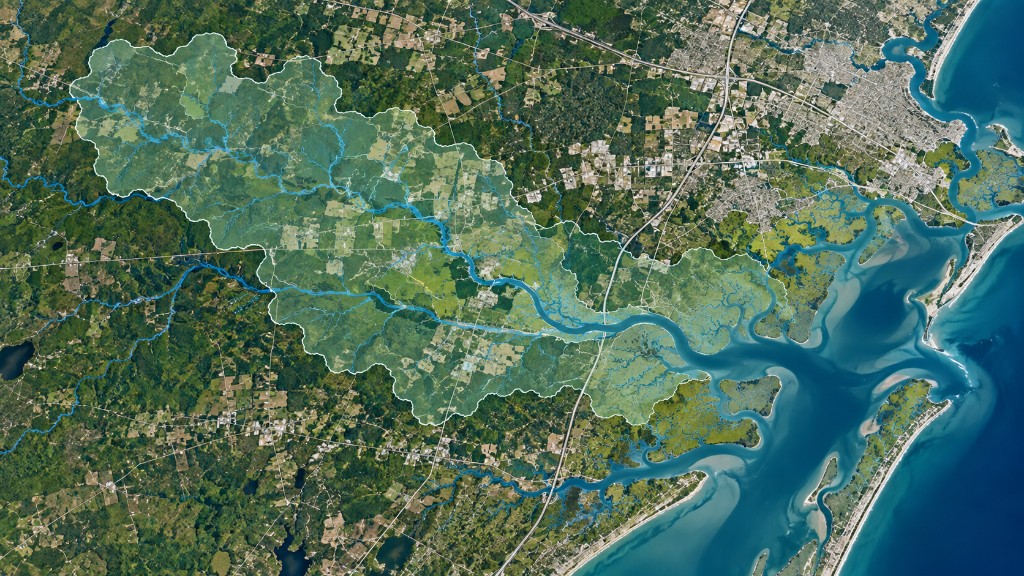
Service Area Defines the Market
A mitigation bank’s service area establishes the geographic area within which its credits may generally be used to compensate for permitted impacts, subject to applicable regulatory requirements and agency approval.
That makes the service area one of the most important factors influencing the commercial potential of a mitigation bank.
Two properties with similar acreage and restoration potential can represent very different opportunities depending on their location. A bank positioned within a service area experiencing consistent infrastructure investment and development may have access to substantially different demand than a comparable project in an area with limited permitted impacts.
Service area analysis should therefore occur early—often before significant resources are committed to design, permitting, or property acquisition.
Understanding Demand Requires Looking Back and Forward
Historical mitigation demand provides an important starting point for understanding a market, but historical activity alone does not tell the full story.
A market assessment should consider the types and frequency of permitted impacts that have generated mitigation demand, the amount and type of credits purchased, and the geographic distribution of that activity.
The analysis should also look forward.
Transportation programs, utility projects, residential and commercial development, energy infrastructure, public works, and other planned investments can influence future mitigation needs. At the same time, regulatory changes can alter the types of impacts requiring mitigation or affect how compensatory mitigation is implemented.
The objective is not to predict individual credit sales with certainty. Rather, it is to develop a reasonable understanding of the depth, consistency, and potential direction of demand within the market.
Existing Supply Can Change the Picture
Demand cannot be evaluated without understanding supply.
Existing mitigation banks may hold significant inventories of released credits. Other banks may have credits scheduled for future release, while proposed banks moving through the approval process may introduce additional supply.
Other forms of compensatory mitigation may also compete for demand within the same geography.
For a prospective bank, this means that simply identifying historical credit purchases is not enough. Those purchases must be considered in relation to existing inventory, anticipated releases, competing providers, and potential new market entrants.
A market with substantial demand may still present challenges if available credit supply significantly exceeds expected purchases.
Credit Price Is Not the Same as Market Value
Credit pricing is often one of the first questions asked when evaluating a mitigation banking opportunity. It is important—but price alone can be misleading.
An advertised or recent transaction price does not tell you how frequently credits are selling, how much inventory is available, whether pricing varies by credit type or location, or how competition may influence future transactions.
For project evaluation, sales velocity and market absorption can be just as important as price.
A bank capable of generating a large number of credits may appear attractive based on prevailing prices. But if the market historically absorbs only a small number of credits each year, realizing the projected value of that inventory could take considerably longer than anticipated.
That timing can materially affect project economics.
Market Analysis Should Inform Bank Development
Market analysis should not simply confirm whether a project moves forward. It can also help shape how the project is developed.
Understanding the market may influence decisions about property acquisition, project scale, restoration approach, credit type, development phasing, capital deployment, pricing strategy, and the timing of credit releases.
It can also identify circumstances where additional due diligence is warranted before significant capital is committed.
For landowners, this analysis can provide a more realistic understanding of whether mitigation banking represents an appropriate use of a property. For sponsors and developers, it can inform project strategy. And for investors and strategic partners, it provides important context for evaluating potential risk and return.
Looking Beyond the Property Boundary
One of the most common mistakes in evaluating a mitigation banking opportunity is focusing too heavily on the property itself.
The site matters. Ecological uplift matters. Regulatory feasibility matters. But mitigation credits ultimately participate in a market that extends well beyond the project boundary.
Understanding where credits can be sold, what drives demand, how much supply exists, and how the market may absorb additional credits provides critical context for evaluating whether a proposed bank represents a viable opportunity.
At EcoVantage Ecological Services, we help mitigation bank sponsors, landowners, developers, investors, and strategic partners evaluate environmental markets before and throughout project development. By combining regulatory insight, market intelligence, environmental expertise, and business strategy, we help clients better understand market opportunities, identify potential risks, and make informed decisions about mitigation bank development.